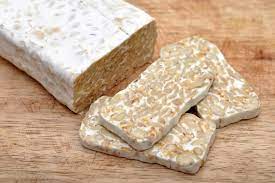
What are the differences between Tempeh and tofu? Which is healthier? Before you start planning your meals, here are some things to consider.
Tempeh vs. tofu: What’s the difference? Which is better? These two plant-based soybean proteins can be part of a healthy diet. They are a better option than most processed meat alternatives! What are the main differences? Here are the main differences in definition, nutrition and flavour.
Recipe Scroll down to find a delicious stir-fry using either Tempeh or tofu.
Tempeh vs. tofu: An overview
Let’s first discuss the definitions of each. Tempeh and tofu, both soy products, are great substitutes for protein in vegetarian or vegan meals. The production process is what makes the difference.
- What’s Tempeh? A compressed cake made from whole soybeans. Tempeh can contain seeds such as millet, rice, or wheat. Many brands are gluten-free. Soybeans are first soaked in water to soften them. Then they are cooked and fermented until they become a patty or block. Tempeh was first discovered in Indonesia in the 1500s and is a common ingredient in Southeast Asian cuisine. Tempeh is a great meat substitute because of its rich texture and mild, nutty flavour.
- What is tofu? Tofu is made from soy milk. It’s made by turning it into curds similar to cheesemaking and pressing it into blocks. It was discovered in China around 2,000 years ago. It is very popular in Asia, becoming more common in the US. Tofu has no flavour and is very soft. It needs to be cooked and flavoured. Tofu comes in various textures: firm or soft, silken, extra firm and extra firm.
The bottom line: Tempeh, a whole-soy bean-pressed cake with a rich, chewy texture and nutty taste, is Tempeh. Tofu is made of soy milk, which has been processed into blocks. It is tasteless and has a soft texture. Both can be used in many different ways and are excellent plant-based proteins. Keep reading for some recipes…
Tempeh vs. tofu: Nutrition breakdown!
Tempeh or tofu? Which is better? Both tofu and Tempeh are healthy choices. Soy is a good alternative to processed meats and red meats.
Tempeh has twice the amount of plant-based protein and fibre as tofu (20 g vs 10 g). Tempeh contains 40% of the daily recommended protein intake and 44% of daily fibre. On the other hand, tofu is half the calories and half as fat as Tempeh but has almost half the protein. As we’ve already mentioned, both are healthy and can be part of a healthy diet. You should consume soy products only a few times per week and not daily.
How to make Tempeh vs. tofu
There are many differences between cooking Tempeh and tofu. Tempeh is firm and has a nutty taste, while tofu is bland with a soft texture.
- Is it safe to eat raw tofu? Tofu can be eaten raw. You can try it in Easy-Made Tofu with a creamy salad dressing or tofu chocolate pudding.
- Is it safe to eat raw Tempeh? Most tempeh brands have been pasteurized, so you can eat it raw. Just make sure to check the packaging. Tempeh can have a bitter taste if it is raw, so we recommend that you cook it.
- How do you cook tofu? Make Tempeh Meatballs and fry them in a Tofu Scrabble. Or, make it crispy with Pan-Fried Tofu. You can make a Thai-style Coconut Tofu Curry or a Tofu stir fry. These Quick Tofu Crusts are delicious and perfect for Easy Tofu Tacos.
- How do you cook tempeh Tempeh can be cut into small pieces and sauteed with a Tempeh Stir Fry. For a Vegan Sandwich, you can make Tempeh into smoky Tempeh Bacon.
Ingredients
Stir-fry sauce
- 1/4 cup soy sauce
- 6 tablespoons water
- 1 tablespoon rice vinegar
- 2 tablespoons sugar
- 1 tablespoon miso
- 2 teaspoons cornstarch
- 1/4 teaspoon Garlic powder
Stir fry
- 1 1/2 pounds fresh broccoli, stem on (about 3 large heads or 6 heaping cups florets)*
- 1 red Bell Pepper (or half-red and half-orange)
- 4 ounces of shiitake mushrooms (optional)
- 2 green onions
- 1 teaspoon grated fresh ginger
- 14-ounces of firm tofu, or extra firm tofu. Or 1 8-ounce package of Tempeh
- 3 tablespoons sesame oils, divided
- Kosher salt
- 1 Tablespoon sesame Oil
- Sesame seeds
Instructions
- Start the rice if served with rice.
- Prepare the sauce: Mix the ingredients for the stir-fry sauce in a large bowl. Or, make it ahead of time and chill in the refrigerator until ready to use.
- Chop all vegetables: Cut the broccoli into small florets. Slice the pepper thinly. Thinly slice the shiitake stems, if necessary. Slice the green onion thinly. Peel and grate the ginger.
- Heat the Tempeh. Cut the Tempeh into quarter-inch pieces. Heat 1 tablespoon of sesame oil in a large skillet on medium heat. Then add the Tempeh to a single layer. Sprinkle with a few pinches of kosher salt and bake for 2 to 3 minutes until it is lightly browned. Take out of the pan.
- Or, you can cook the tofu. Cut the tofu into bite-sized pieces (about 1-inch squares, about 3/8-inch thick) and then dry it with a towel. In a large nonstick skillet, heat the oil. Add the tofu cubes. Turn the heat up to medium-high. Cook for 5-6 minutes, or until the bottom is lightly browned. To reduce the spitting, briefly remove the pan from heat. Chopsticks are the easiest way to flip the tofu. Use tongs or chopsticks to flip the tofu. Turn the heat up to medium-high. Cook for 5-6 minutes or until golden brown. Transfer the tofu into a bowl.
- Stir-fry the vegetables: Heat 1 tablespoon of oil in a large skillet. Cook the broccoli, pepper, and Shiitake mushrooms in a skillet for 6 to 7 minutes, or until they are just beginning to turn golden brown. Stir occasionally. Allow the vegetables to steam for 1 tablespoon of water at the end.
- Reduce the heat to low. Cook for 1 minute. Turn off the heat. Stir in the tofu/Tempeh and the sauce. Continue stirring until the sauce thickens. Serve immediately. The remaining food can be kept refrigerated for up to three days.