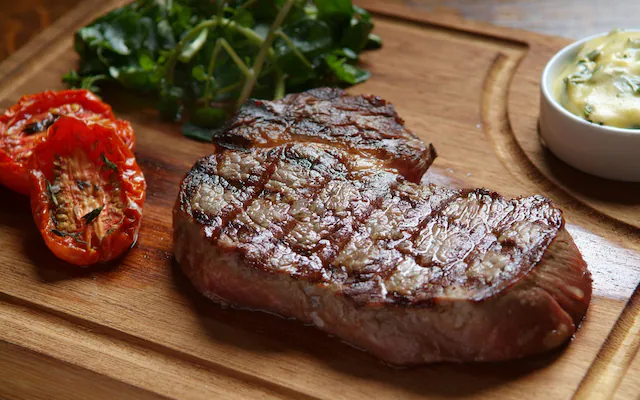
Docklands feels like Melbourne with a different posture. Wide promenades, water views, glassy towers, and the steady flow of people heading to an event or meeting friends by the harbour. It is a place built for going out, where dinner often sits between a walk along the waterfront and a show, a game, or a late-night drink. In that setting, steakhouses make sense. They match the mood, a little polished, a little indulgent, and built around the kind of meal people book when they want something dependable but still special.
The real intrigue is how certain venues turn one dish into their calling card. When choosing between steak restaurants in Docklands, keep in mind that a signature steak involves more than just the cut of meat and the cooking time. It is the behind-the-scenes decisions that shape flavour, texture, and consistency night after night, plus the finishing touches that make them feel like their own. This blog explores the craft that goes into that final plate, so it is easier to spot what separates a standard steak from the one people come back for.
Selecting Quality Ingredients
A delicious steak meal starts long before it hits the grill. They are very keen on obtaining high-quality beef for their restaurants. Chefs seek the best marbling because it delivers both tenderness and flavour. The suppliers are handpicked, and the meat is sourced from select origins. Some even go the extra mile in establishing direct ties with trustworthy farms to ensure that the quality remains consistent, with freshness always being a top priority.
Dry-Aging Beef for Flavor Brilliance
Both dry and wet types involve seasoning, which adds unique flavours and textures to the beef. Dry ageing consists of casking the meat in controlled circumstances that vacuum moisture away, enhancing flavour and tenderness. Conversely, wet ageing keeps the meat in a vacuum-sealed pouch. Both will be aged to perfect their end product, but dry ageing is preferred for its nutty, concentrated notes. The meticulously planned process allows the steak to fully express its unique flavour.
Expert Preparation Techniques
Chefs spend a lot of energy preparing a steak properly before it ever touches a grill. Removing excess fat allows the meat to cook better, and seasoning adds to its natural flavours. Lots of restaurants have little to no seasoning besides salt and pepper, letting the beef shine as it should. Some may add a unique blend of spices to give them a signature flavour. Every process, including marinating and resting, is responsible for determining the final flavour.
Perfecting the Cooking Process
Restaurants are dependent on people who know how to control temperature and timing. Whether cooking over charcoal or searing in a cast-iron pan, the method is intentional. But the trick is to get the outside perfectly crunchy and the insides moist. Thermometers (and experience) help chefs meet every order to the specs of the guest.
Attention to Searing and Resting
It’s an important step that contributes to a delicate mouthfeel and flavour. The dark, savoury notes created by the caramelisation of the surface can occur only when cooked on high heat. But it doesn’t stop there. Allowing the steak to rest before slicing allows the juices to redistribute for truly juicy bites throughout. It is this patience that is the difference between a normal steak and an extraordinary steak.
Signature Sauces and Sides
Several steak restaurants boast of unique and special sauces and sides that they pair with their steaks. Whether creamy (like a peppercorn blend) or tangy (like the chimichurri of Argentina), the right sauce takes the steak experience to another level. Accompanying side dishes, for example, cooked vegetables or pureed potatoes, are purposefully chosen to enhance the main attraction. These additions complete the meal, making for balance and a pleasant memory.
Consistency in Training and Standards
It’s all about recipes and techniques to deliver great steak dishes, but do we ever stop to think that recipes and techniques are just the foundation of what makes them great? Having well-trained staff ensures that every team member knows what the expectations are and that the quality remains high. Chefs are always repeating the cooking process, polishing their skills, and learning new ways of making their dishes.
Presentation and Dining Experience
How a steak is plated, for example, can impact a guest’s experience. Most chefs care about presentation, so the steak may be both tasty and beautiful. Garnishes (like fresh herbs or roasted garlic) are both attractive and convey another layer of flavour. This attention to detail also relates to the ambience, service, and experience as a whole, creating memories which are often more lasting than the tastiness of the food itself!
Conclusion
Perfecting a signature steak dish is usually a sign that someone has put time and know-how into it. Every single step is important, from where we source our ingredients to the final touches. This dedication to quality enables steak houses to serve dishes that are both pleasing and entertaining to guests, and every meal becomes an event.